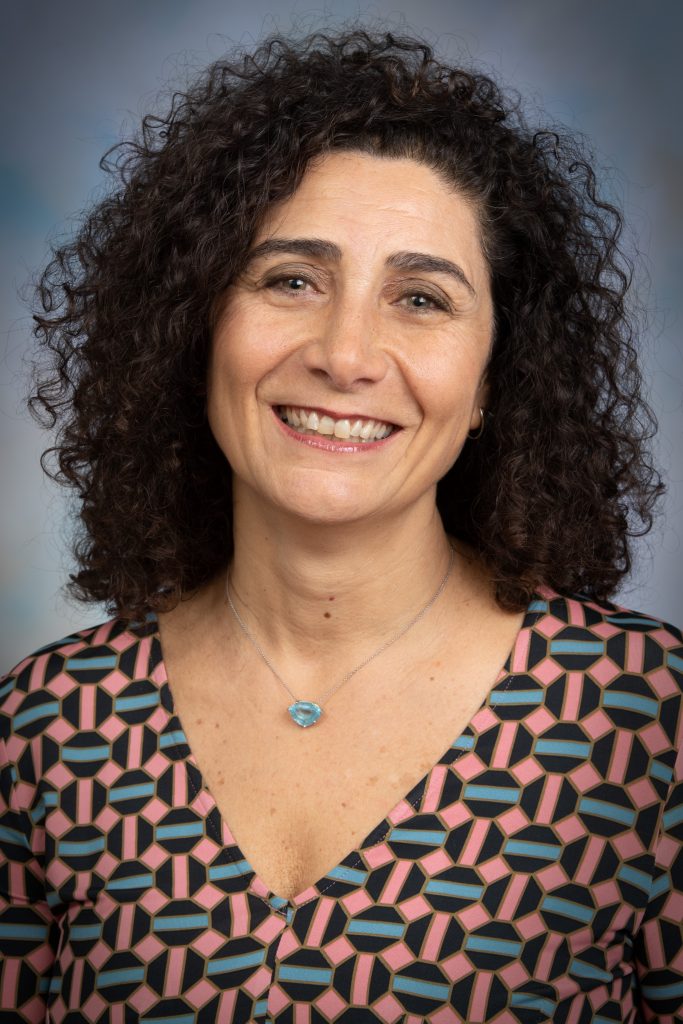
Francesca Cotrufo
M. Francesca Cotrufo is a Professor in the Department of Soil and Crop Sciences at Colorado State University, where she leads the Soil Innovation Laboratory. She is an internationally recognized soil ecologist and biogeochemist, specializing in litter decomposition, soil organic matter dynamics, and isotopic methodologies. Her research advances the understanding of soil organic matter formation and persistence, informing climate and land use policy through modeling with the MEMS ecosystem model. She is a Clarivate Highly Cited Researcher, an American Geophysical Union Fellow, and the recipient of multiple awards, including the SSSA Soil Science Research Award and the CSU Provost 14’er Award for Faculty Excellence. Dr. Cotrufo is the editor of Global Change Biology and has published over 180 peer-reviewed articles, book chapters, and book “A Primer on Stable isotopes in Ecology” (Oxford University Press). She is also an entrepreneur and co-founded Cquester Analytics, an analytical facility for scaling soil organic matter and carbon sequestration measurements.

Yao Zhang
Yao Zhang is a research scientist at the Natural Resource Ecology Laboratory at Colorado State University. As an ecosystem modeler, he possesses extensive expertise in ecosystem simulations across various scales and has substantial experience in both utilizing and developing multiple process-based models. Notably, he has been a key contributor to the development of the widely adopted ecosystem model, DayCent. Currently, he co-leads the MEMS development team with Dr. M. Francesca Cotrufo. His research focuses on plant and soil carbon/nitrogen dynamics and soil Greenhous gas emissions, feedback mechanisms related to environmental and climate changes, as well as human management practices. Yao’s research interests span crop growth, water use, soil physics, and climate/change impacts on agriculture at different scales.
Keith Paustian
Dr. Keith Paustian is a University Distinguished Professor in the Department of Soil and Crop Sciences and a Senior Research Scientist at the Natural Resource Ecology Laboratory at Colorado State University. His research focuses on modeling, field measurement, and assessment tools for soil carbon sequestration and greenhouse gas emissions. He has played a key role in developing models and inventory methods used by the U.S. EPA for reporting soil carbon and N₂O emissions and led the creation of COMET-Farm™, a USDA tool for estimating on-farm greenhouse gas emissions. He has published over 250 journal articles and book chapters and has contributed as a Coordinating Lead Author for the IPCC National Greenhouse Gas Inventory Methods. Dr. Paustian has served on multiple National Academy of Sciences panels and international committees focused on climate and carbon cycle research. He is a Fellow of the Soil Science Society of America and a recipient of the SSSA Outstanding Research Award.
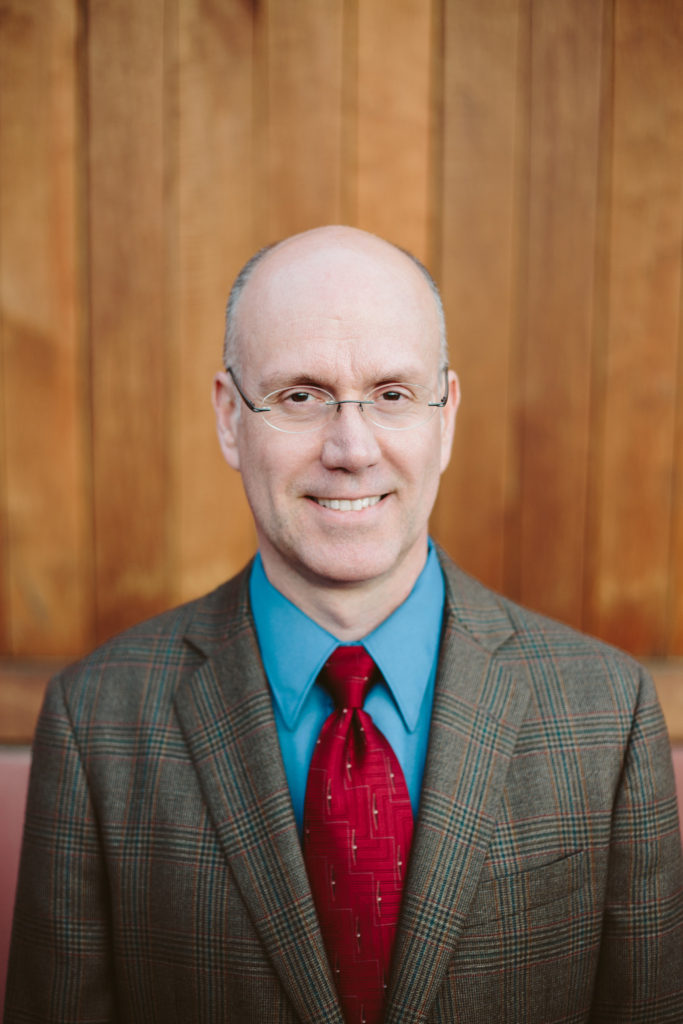
Stephen Ogle
Dr. Stephen Ogle is a leader in research dealing with assessments of land use and management impacts on biogeochemical processes in agricultural lands.
His main research activity is improving national greenhouse gas inventories, and implementing those improvements in an operational system for US government reporting to the United Nations Framework Convention on Climate Change. He also conducts research collaboratively with economists and sociologists to better understand the drivers of land use and management decisions, and predict the likelihood of greenhouse gas mitigation in the future through adoption of conservation practices and bioenergy production in agricultural lands. He also has a keen interest in assisting governments in developing countries with improving their greenhouse gas inventories and enhancing the sustainability of agricultural lands. He has done extensive capacity-building work in over 20 countries, assisting government compilers with improving national greenhouse gas inventories in Asia, Africa, Central America and South America.
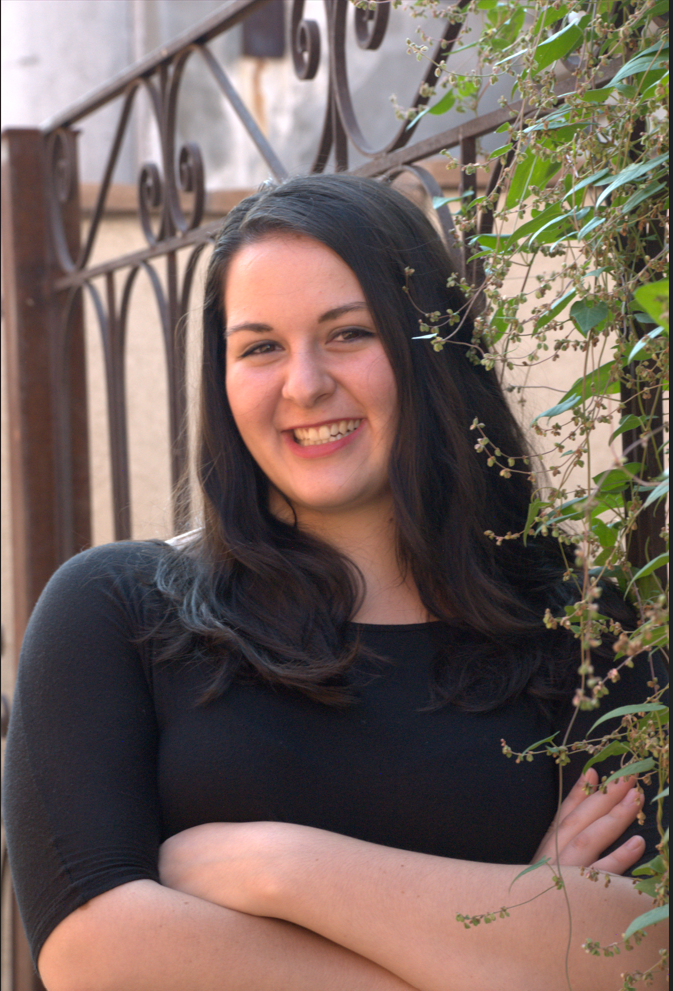
Emma Hamilton
Emma is a research associate contributing to programming and model development for the MEMS model. While earning her BSc in Data Science from Colorado State University, Emma developed a strong interest in environmental systems. It wasn’t until she started working on MEMS, however, that she discovered her passion for soil science and ecosystem modeling. This work has become both deeply fulfilling and a way to contribute to sustainable agriculture and land management. She is now pursuing a master’s degree to further understand and improve the processes behind MEMS. When she’s not working, Emma enjoys gardening, reading science fiction novels, and playing board games with friends.
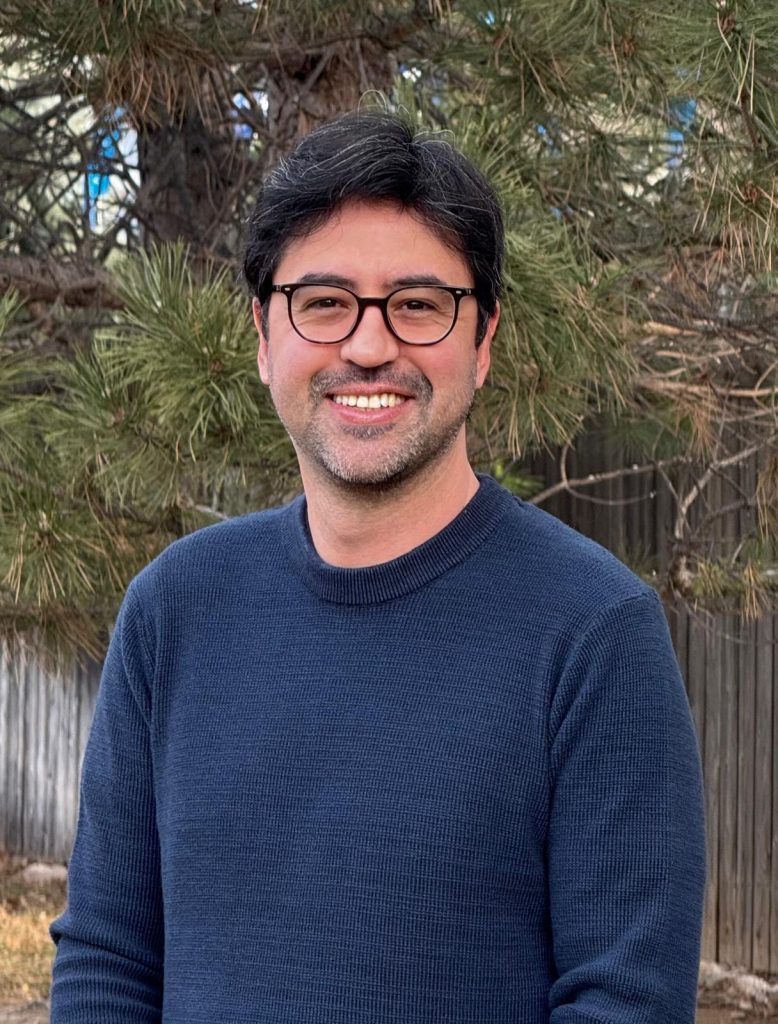
Rafael S. Santos
Rafael S. Santos is a Postdoctoral Fellow at the Natural Resource Ecology Laboratory, Colorado State University. He holds a B.Sc. in Agronomy and an M.Sc. in Soil and Plant Nutrition from the University of Viçosa, Brazil, where he studied soil organic matter dynamics in planted forests. He earned his Ph.D. from the University of São Paulo, focusing on the long-term effects of agricultural systems on soil physical quality, soil organic matter composition, and soil organic carbon storage, incorporating the DayCent model to assess climate change impacts on organic carbon dynamics. Since joining the MEMS team, Dr. Santos has been actively developing and testing the MEMS model across agroecosystems. His research interests include soil biochemical processes, sustainable agricultural management, and ecosystem modeling. Outside of work, he enjoys reading, hiking, watching soccer games, playing video games, and barbecuing with family and friends. .
Publications: https://scholar.google.com/citations?user=PZSYj9UAAAAJ&hl=en.
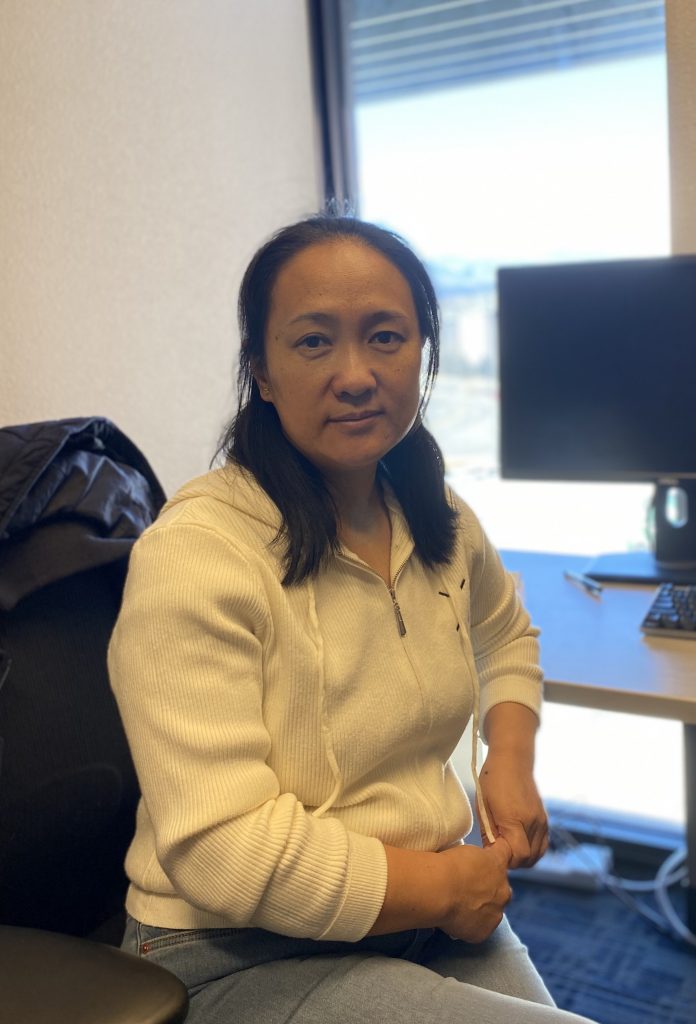
Hao Yang
With many years of experience researching carbon, nitrogen, and water dynamics in grassland ecosystems, I have transitioned to an ecosystem data manager role. My current work focuses on organizing and managing soil organic carbon (SOC) data and preparing input files for the MEMS model.

Paige Stanley
I’m a Rangeland Soil Biogeochemist working to understand how grazing management influences ecosystem and soil processes governing soil carbon sequestration and stabilization. With a B.S. in Biology and Economics (Georgia College), M.S. in Animal Science (Michigan State University), PhD in Environmental Science (University of California, Berkeley), and Postdoc in Soil and Crop Science (Colorado State University), I leverage my interdisciplinary background to approach my research through a combined lens of soil biogeochemistry, rangeland ecology, rancher sociology/social science, animal science, and plant ecophysiology. Core to my work is centering ranchers throughout the research process to ensure my work is equitable, informed, and applicable to working landscapes as social-ecological systems. Though understanding soil carbon outcomes from grazing management is the main pillar of my research, I also work on synergistic projects to optimize soil carbon measurement and monitoring methods on heterogeneous rangeland systems, understand drivers and barriers to ranchers’ adoption of adaptive grazing methods, and to drive science-informed policy for more resilient rangelands in the face of climate change.

Paige Hansen
Paige’s research focuses on how microbial ecology can be applied to better understand soil organic matter (SOM) dynamics and improve development of process-based models predicting soil carbon storage and nitrogen recycling. Her interest in soil microbes stems from her BS and MA in soil microbiology (University of Kansas), where her work involved understanding shifts in microbial community ecology in response to global change, before earning her PhD in soil biogeochemistry from Colorado State University. She draws on knowledge from both disciplines to identify mechanisms through which microbes can be leveraged to enhance SOM storage through a combination of modeling, data synthesis, and experimental approaches.

Zhuonan Wang
Zhuonan Wang is a Postdoctoral Researcher and Ecosystem Modeler at the Natural Resource Ecology Laboratory, Colorado State University. At CSU, his research focuses on developing the N₂O module for the MEMS model. He earned Ph.D. in Earth System Science from Auburn University in 2021. He has a broader background in Earth system modeling, with expertise in carbon, nitrogen, and phosphorus (C-N-P) cycles. His research interests include terrestrial ecosystem modeling, with an emphasis on carbon (C), nitrogen (N), and phosphorus (P) interactions, soil organic carbon (SOC) prediction, and terrestrial-aquatic linkages.
Visiting scholars and students
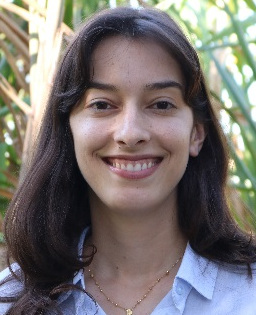
Sarah Tenelli
Sarah Tenelli is a visiting postdoctoral researcher in the Department of Soil and Crop Sciences at Colorado State University. She holds a B.Sc. in Agronomy from UFV, an M.Sc. in Soil and Plant Nutrition from ESALQ/USP, and a Ph.D. in Bioenergy from UNICAMP, Brazil. Her research focuses on the impacts of land use and management practices on soil carbon storage and quality, greenhouse gas emissions, and biomass production. She has joined the MEMS team for one year (2024-2025) to calibrate and validate the MEMS model to represent the Brazilian Cerrado biome and forecast the long-term impact of land use systems on soil C storage in Brazil.
Google Scholar: https://scholar.google.com/citations?user=b9VFtVQAAAAJ&hl=pt-BR&oi=ao